- Check the type of water first, and ask what's been taken out of it.
- Read the mineral composition. Every bottled water sold in South Africa should list it in mg/L.
- Total dissolved solids (TDS) and pH tell you a lot about how a water will taste.
- Then check that it's consistent, pay for the water rather than the packaging, and taste it.
Every bottle on the shelf looks clean, cold and pure. The label tells you the rest. Here are eight things to check before you pick a water you'll drink every day.
1. Check what kind of water it is
South Africa's Regulations Relating to All Packaged Water sort bottled water into three groups, and the name on the label has to say which one you're holding:
- Natural water, such as natural mineral water and natural spring water: from an underground source, with its natural minerals left as they are.
- Water defined by origin: named after where it comes from, such as spring water or artesian water.
- Prepared water: from any approved supply, treated to change it. Purified water and mineral-infused water both sit here, and the label has to say how the water was treated.
The category tells you where the water came from and what's been done to it. Natural water is defined by its source; prepared water is defined by its treatment, so for a prepared water, check what the treatment removes. Here's how they compare.
2. Ask what's been taken out
Every water started somewhere, and in South Africa, a lot can happen to water before it reaches a bottle: mining, farming, industry, failing sewage works. So ask what's been removed.
Natural mineral and natural spring waters can't be purified by law. They can only be filtered, left to settle and carbonated, so what's in the bottle is whatever the source holds. A prepared water has to state its treatment on the label. Look for thorough purification such as reverse osmosis, which removes heavy metals, PFAS, uranium and other radioactive elements, nitrates and bacteria. Here's why that matters in South Africa.
3. Read the mineral composition
Bottled water in South Africa should list its main minerals in milligrams per litre (mg/L), in this order: calcium, magnesium, sodium, potassium, chloride, sulphate, alkalinity, nitrate and fluoride. Prepared waters also declare iron and aluminium.
If a brand makes the list hard to find, or leaves it off, that tells you something too. A water that's proud of what's in it shows you.
4. Look at the total dissolved solids
Total dissolved solids, or TDS, is the total amount of minerals and everything else dissolved in the water, also in mg/L. It's the quickest guide to how a water will taste:
- Very low (under about 50 mg/L): usually purified water. Very clean, but often flat.
- Light to moderate (about 50 to 300 mg/L): where most people find water crisp and easy to drink.
- Higher (several hundred mg/L and up): the minerals start to show in the taste, which some people love and others find salty or chalky.
5. Check the pH
pH measures how acidic or alkaline water is, on a scale where 7 is neutral. Most drinking water sits somewhere between about 6.5 and 8.5. Water a little above 7 often has a softer, smoother finish. Be wary of brands that make big promises about very high pH; a balanced number is a better sign than an extreme one.
6. Ask whether it's the same every time
A water you drink every day should taste the same every day. Natural waters are required to stay consistent at their source, but they're only ever as consistent as that source and everything around it. Remineralised water can be made identical batch after batch, because it starts from almost zero and every mineral is added in a measured amount. Either way, a brand that lists a precise composition is telling you what to expect.
7. Pay for the water, not the bottle
The bottle has one job: to keep the water safe. What matters is that it's made from food-grade material and properly sealed. Bottled water must be packed in hermetically sealed containers, so never buy a bottle with a broken seal, and keep bottled water somewhere cool and out of direct sunlight, at home and in the car.
Beyond that, heavy glass, metallic finishes and elaborate packaging add to the price, not to the water. Clear PET plastic, marked with recycling code 1, is food-grade, light and one of the most widely recycled plastics in South Africa. When you're comparing premium waters, compare what's inside.
8. Taste it, cold
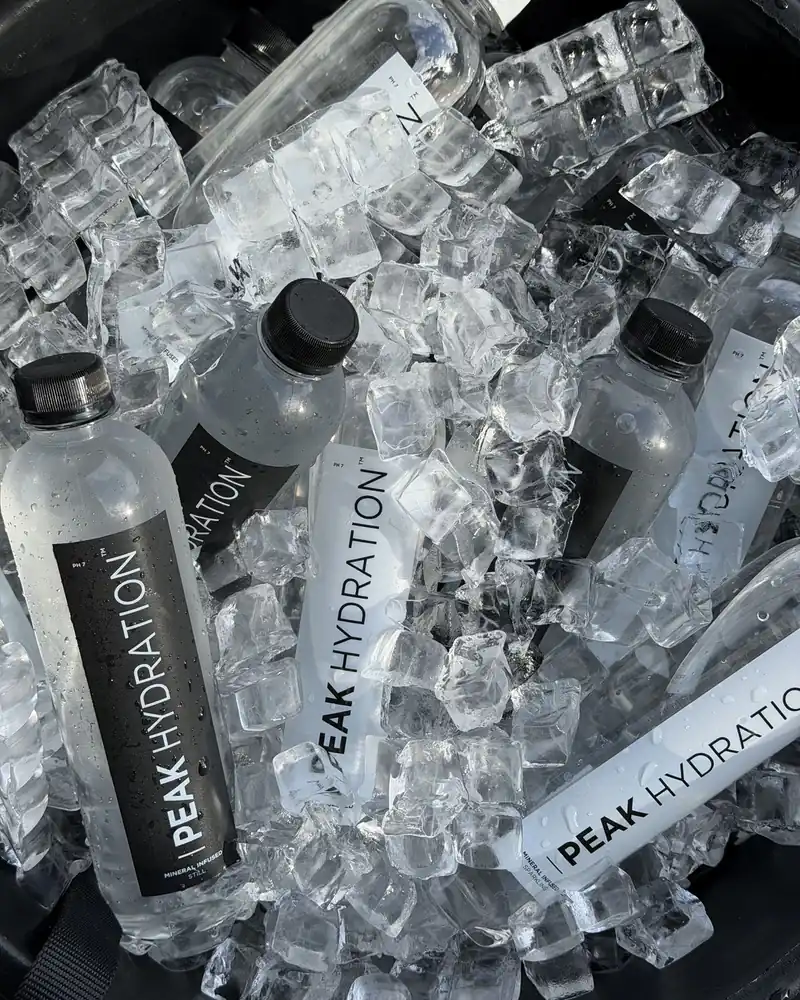
The last test is the simplest. Chill two or three waters, pour them side by side and taste them one after the other. The one you keep reaching for is the one you'll actually drink enough of, and that's what matters most.
Why remineralised water ticks every box
Run remineralised water through this checklist and it's built to pass. It's purified to almost zero, so you know what's been taken out. Natural minerals are added back in measured amounts, so you know what's been put in. Its label has to state the treatment and the full composition. It's the same in every bottle, and its mineral content is tuned for taste, not left to chance.
That's why remineralised water is becoming the new standard for premium water. Here's how it works.
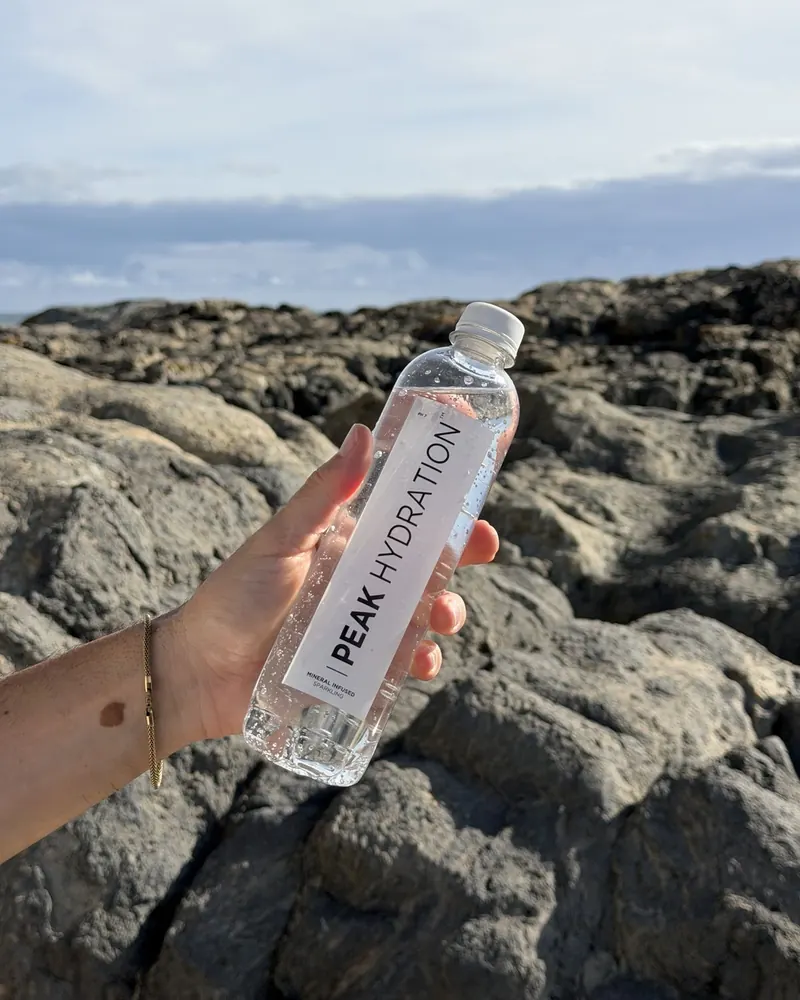
Peak Hydration is remineralised water, made in South Africa. Find it near you and taste it next to whatever you drink now.